Bold

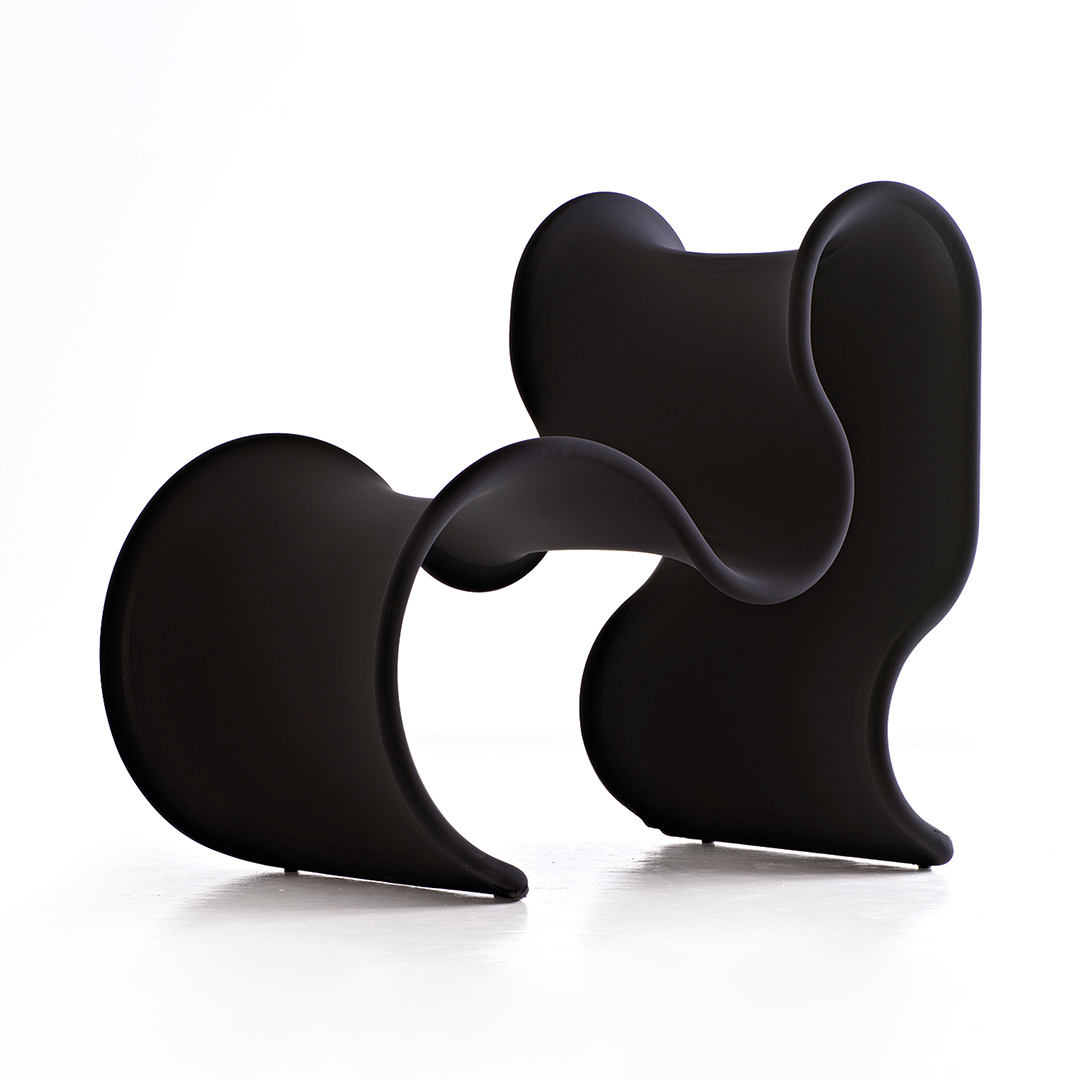
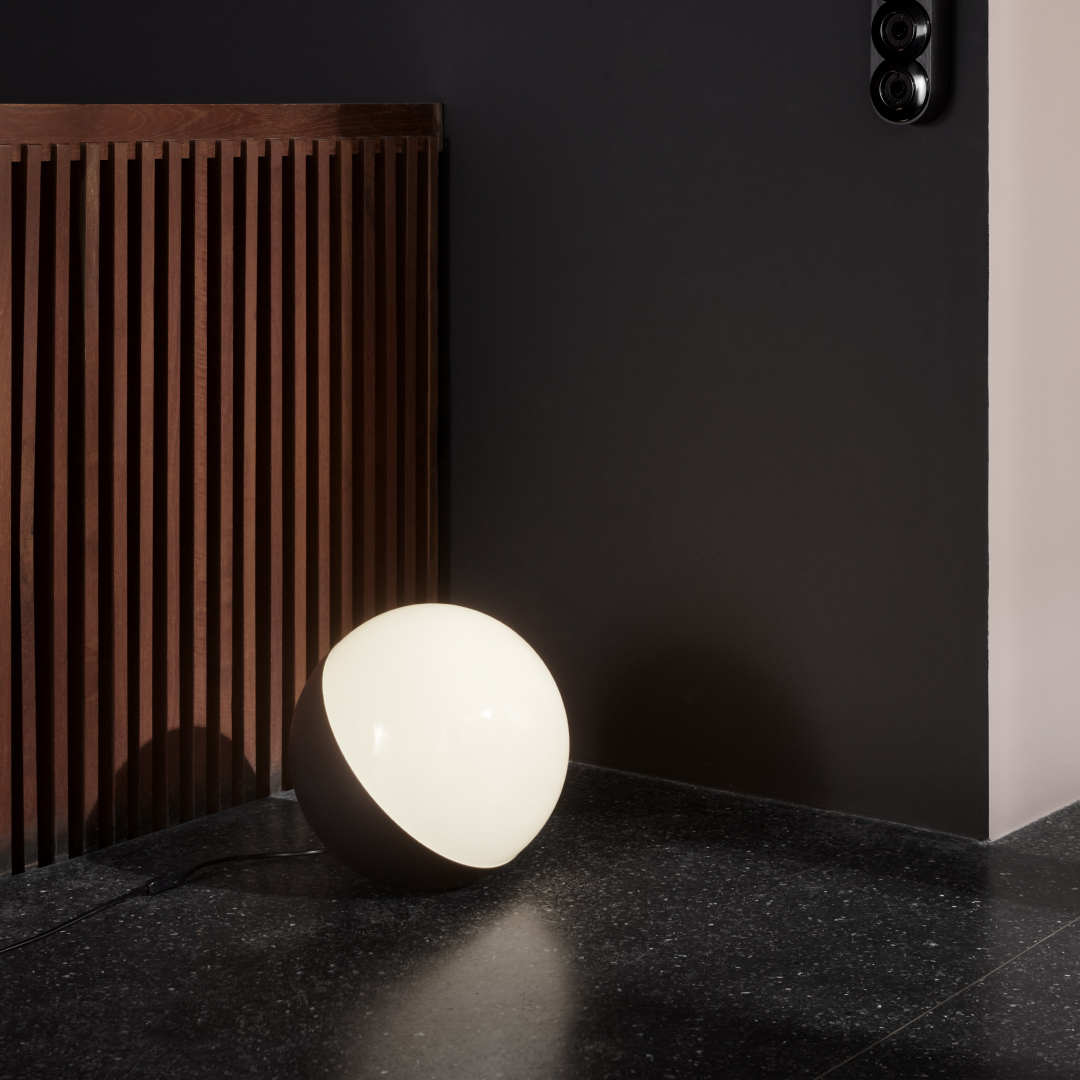
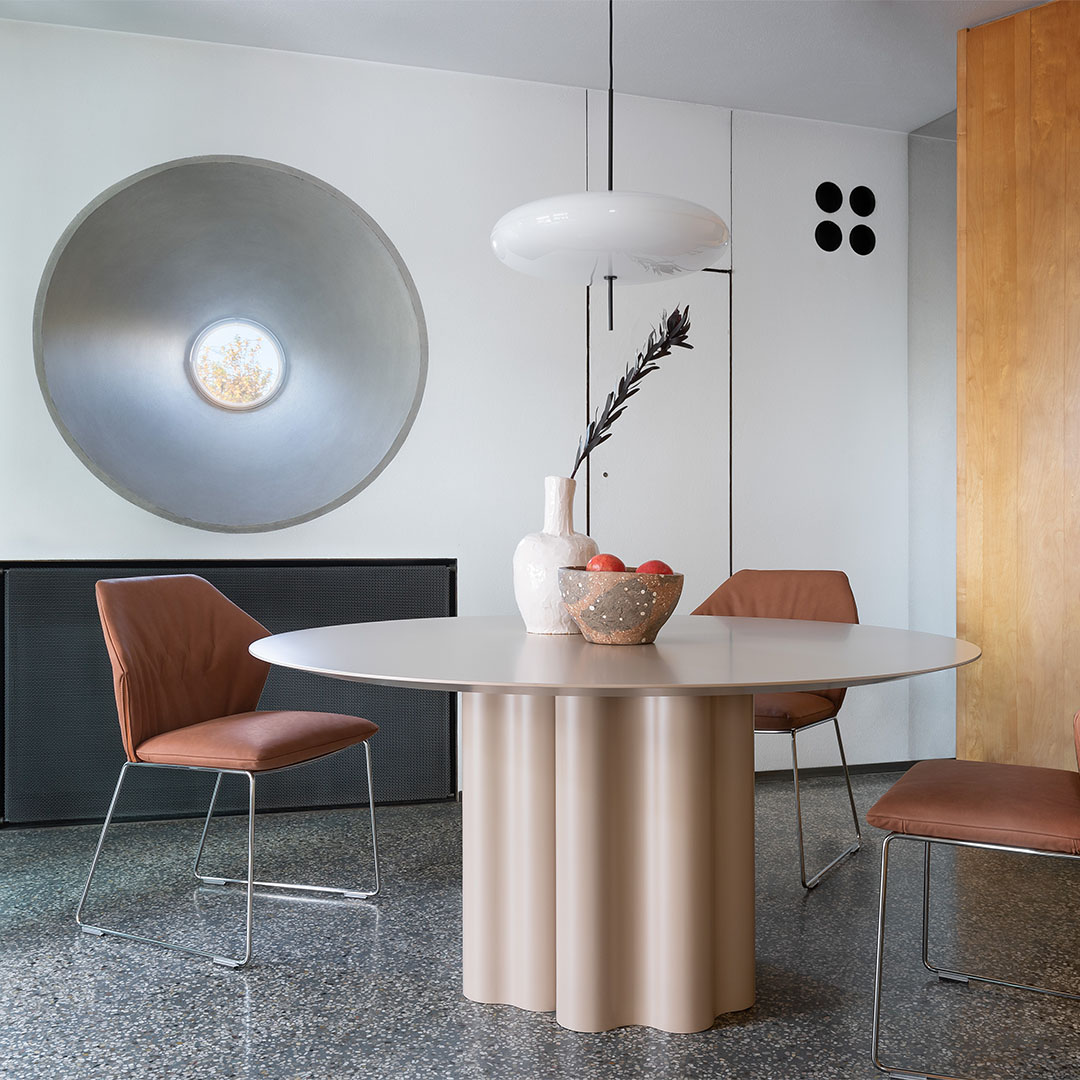
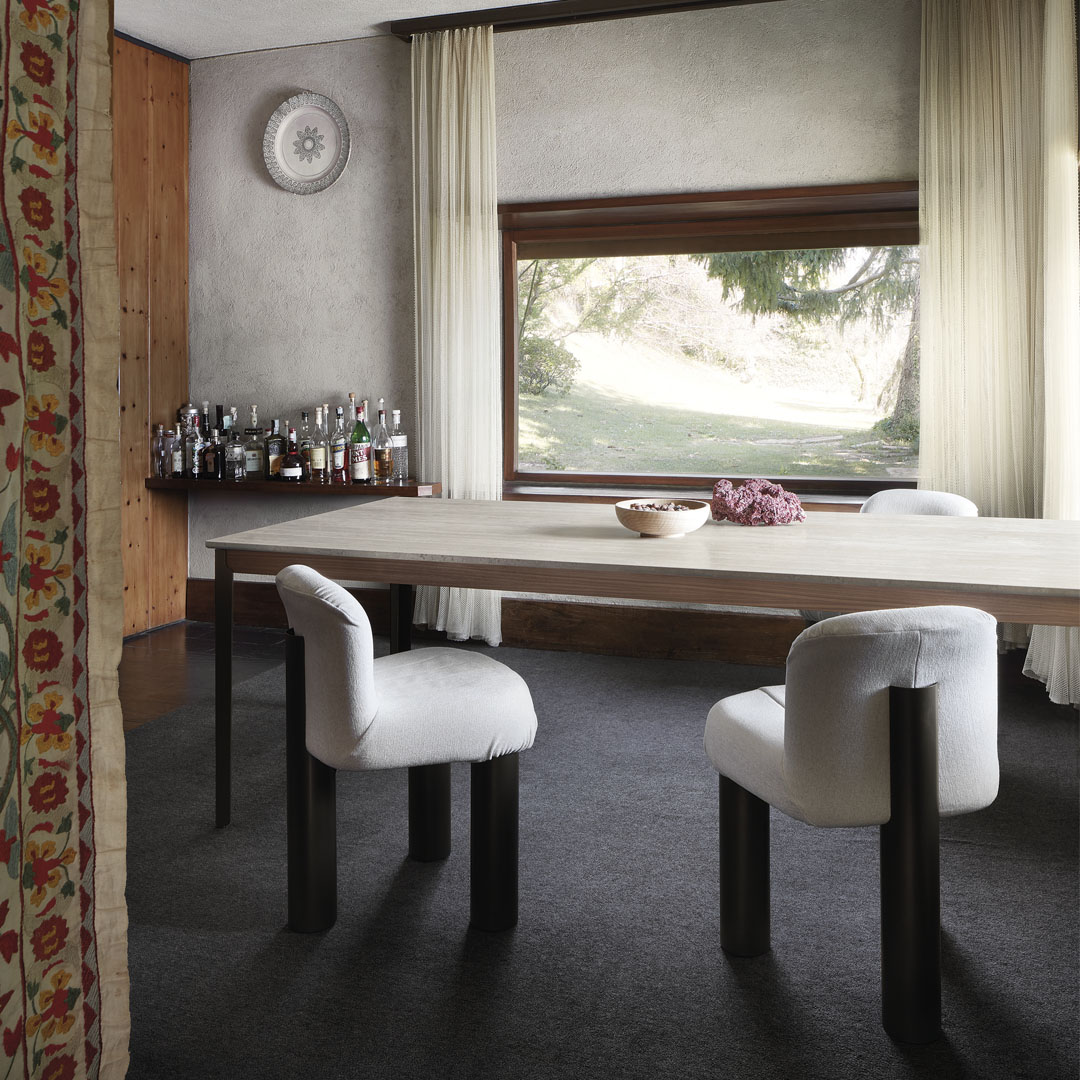
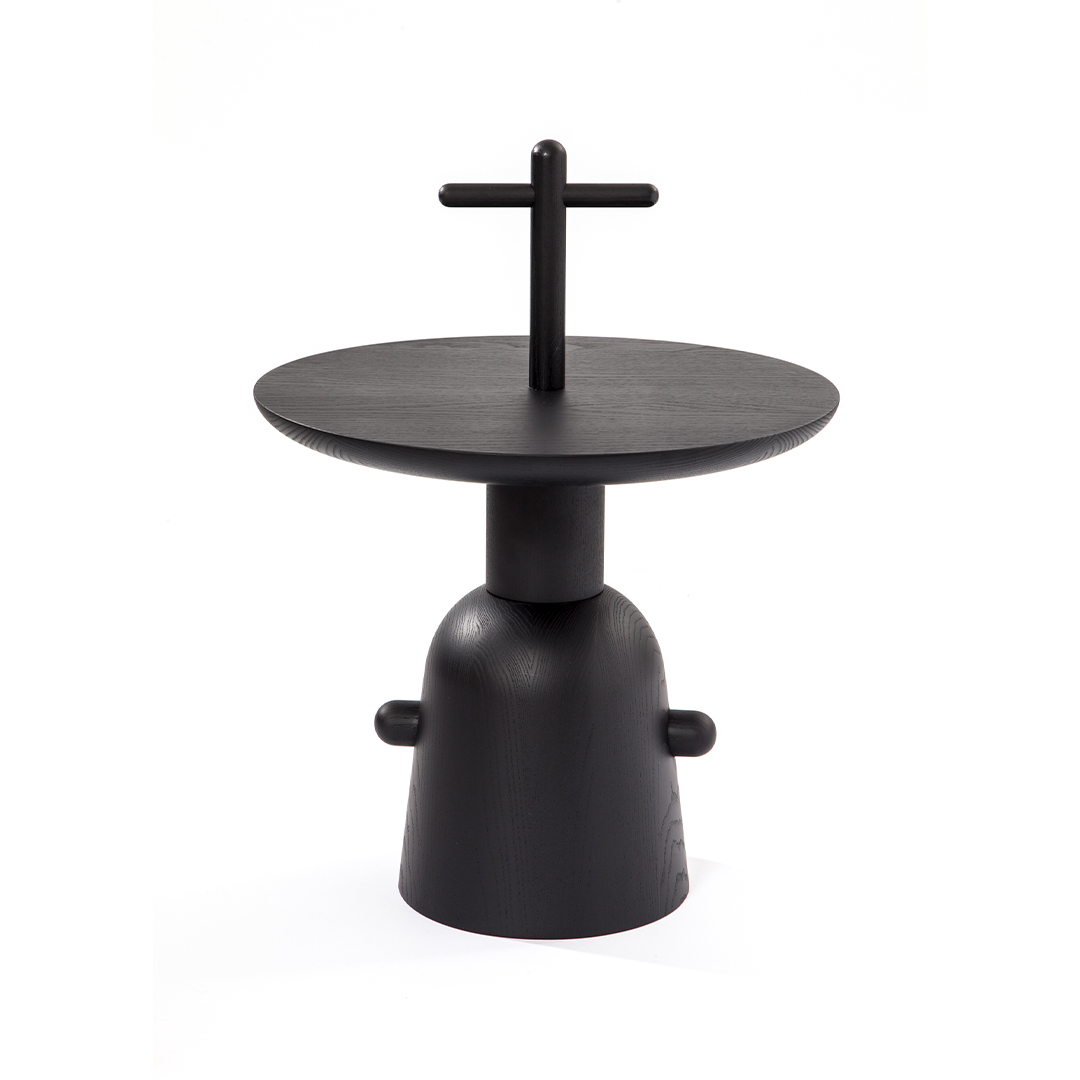
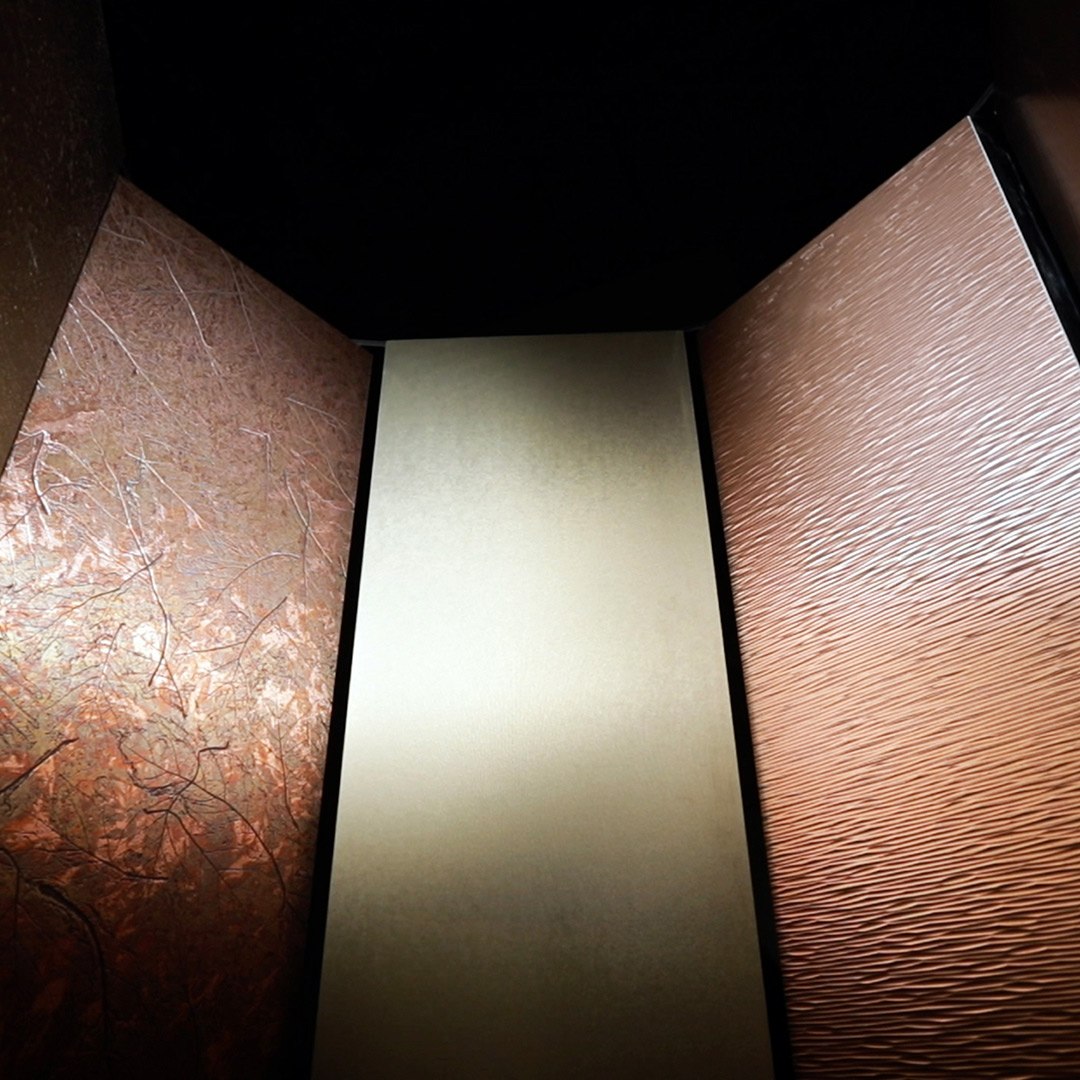
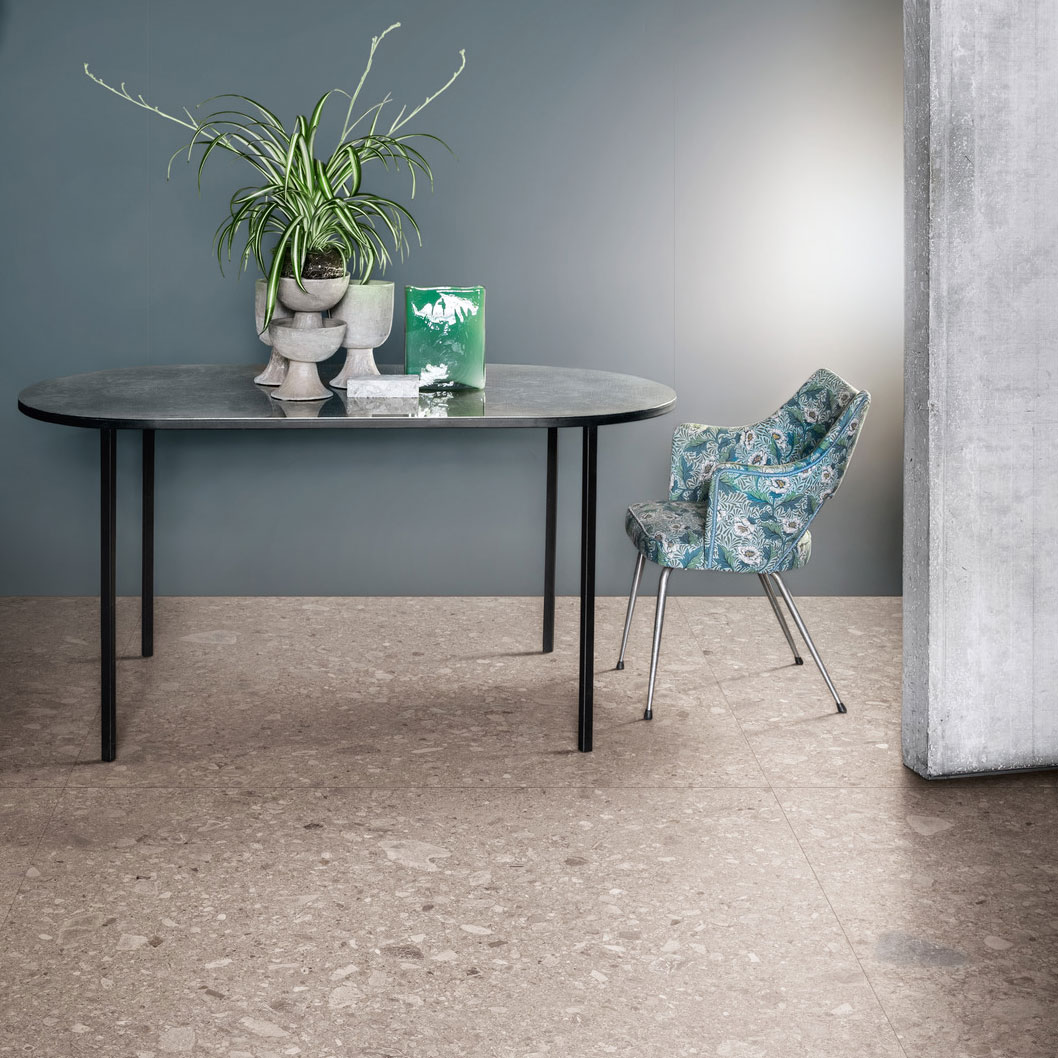
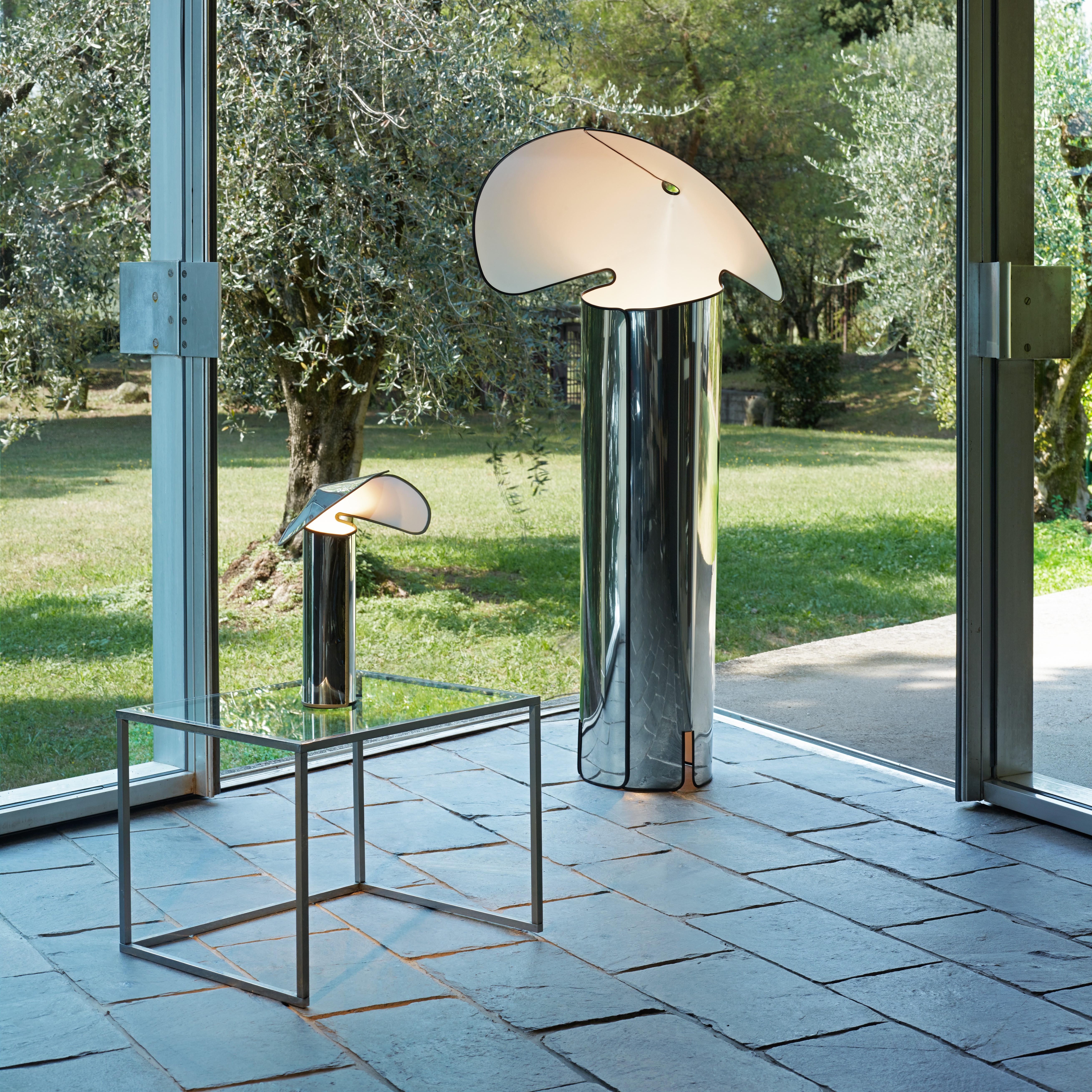
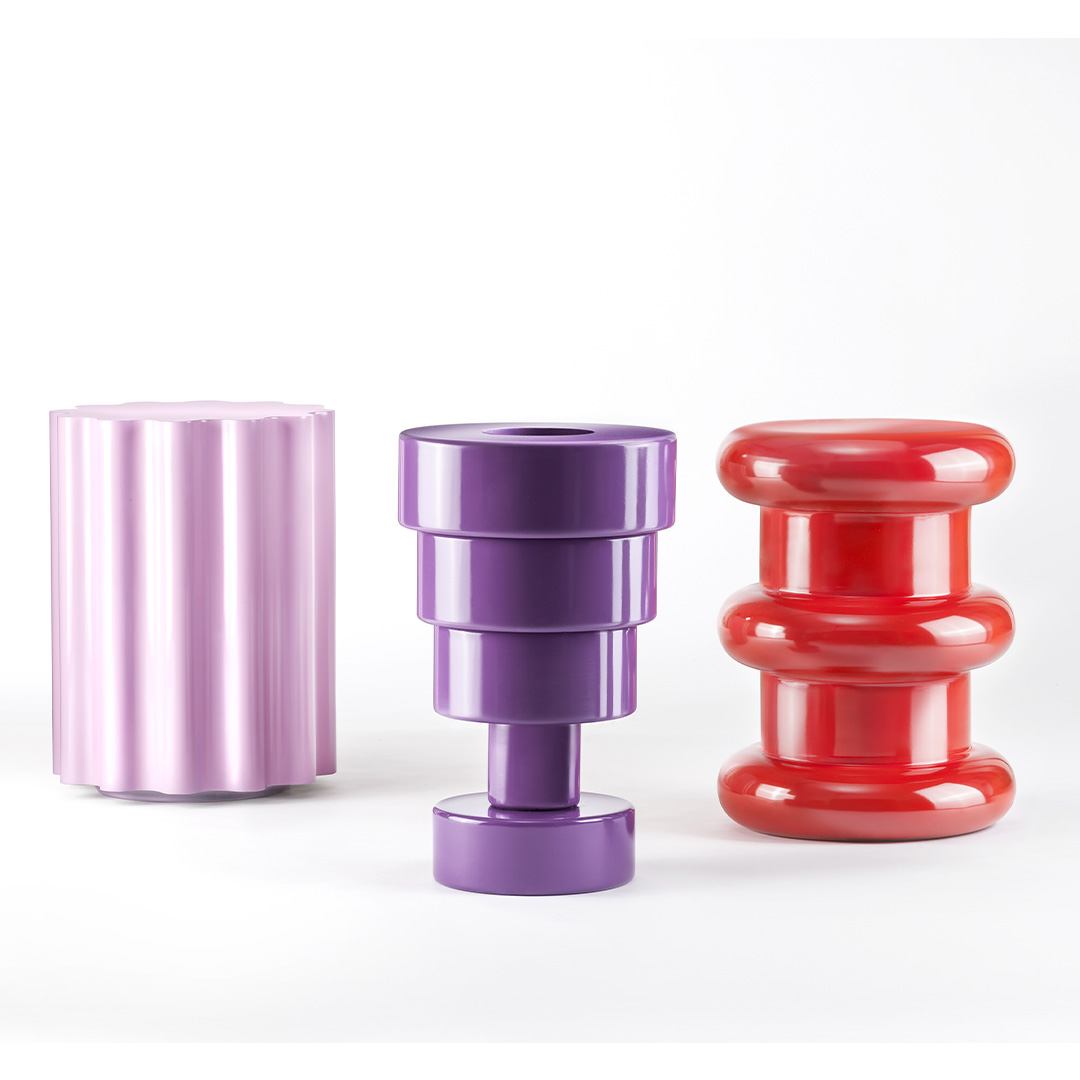
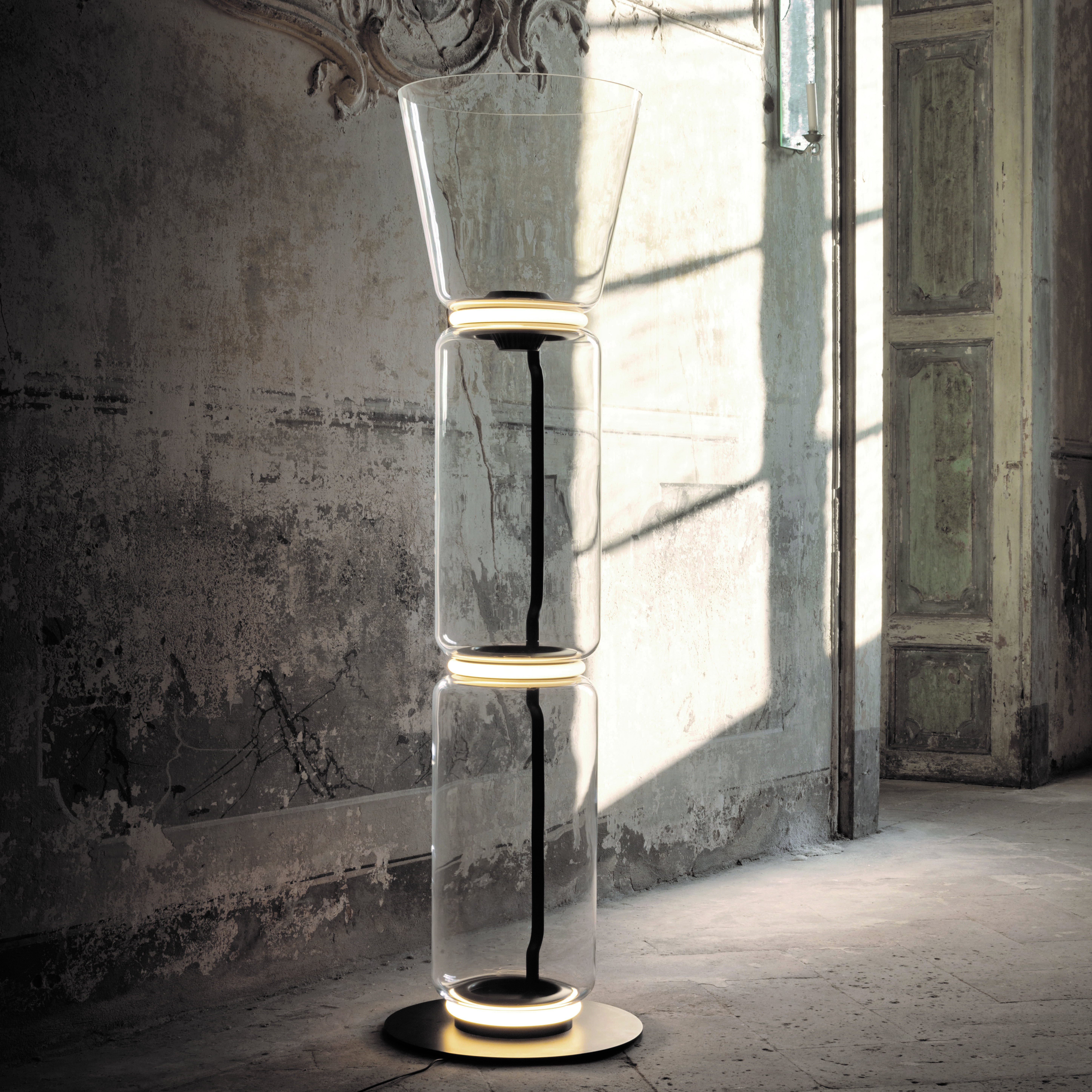
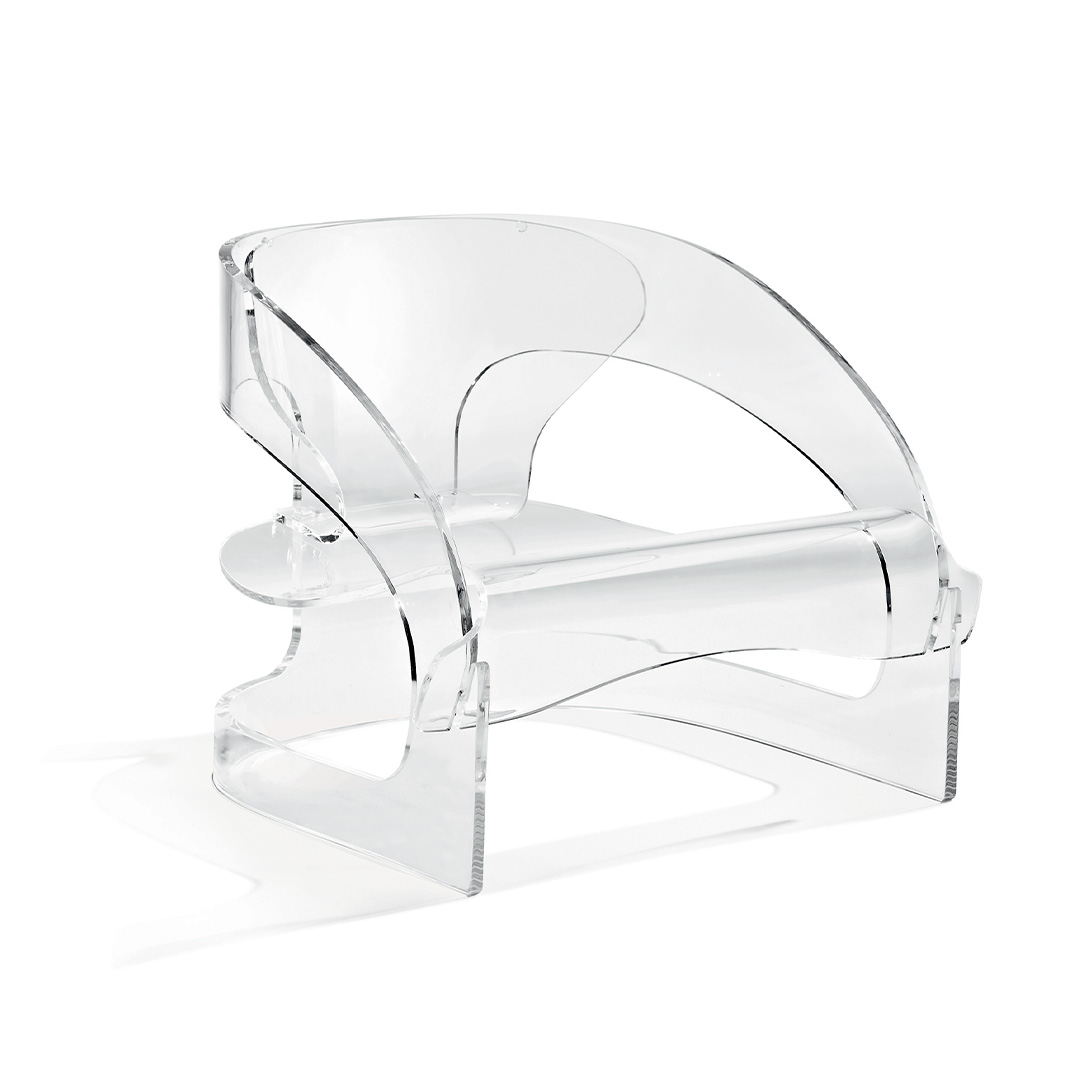
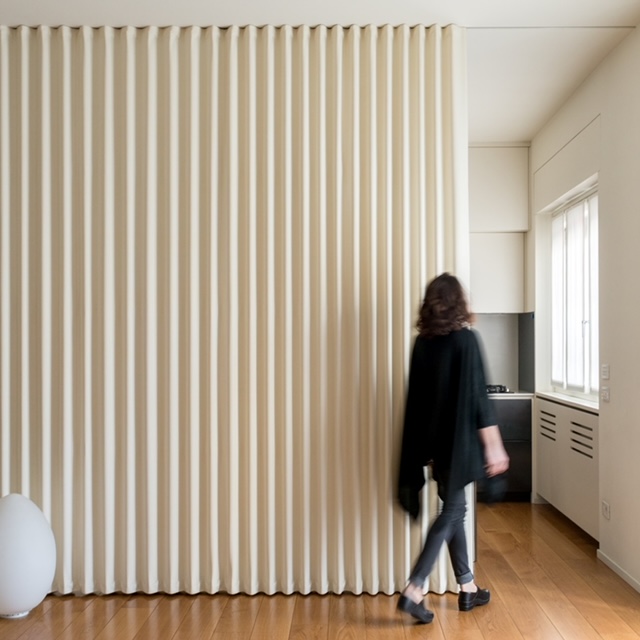
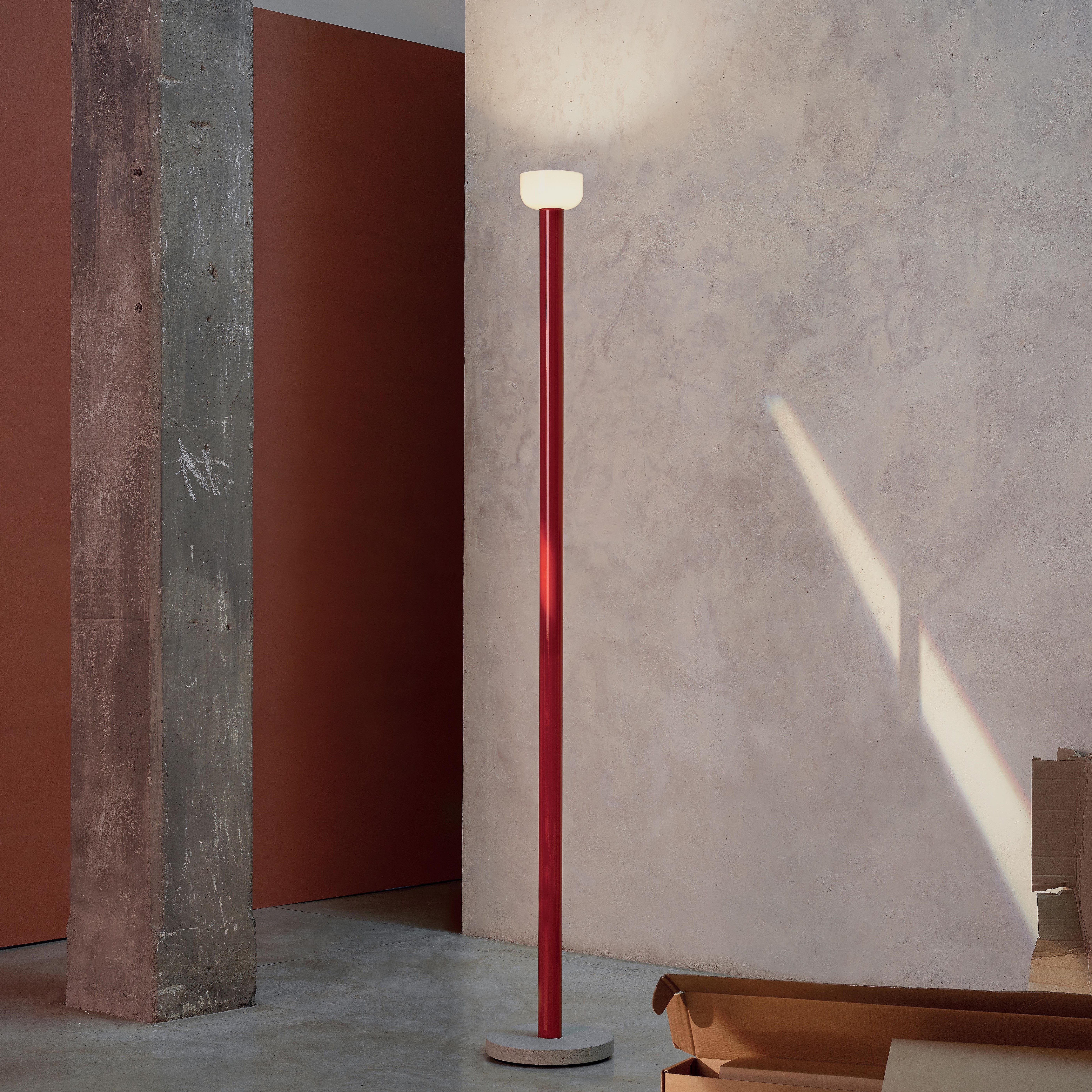
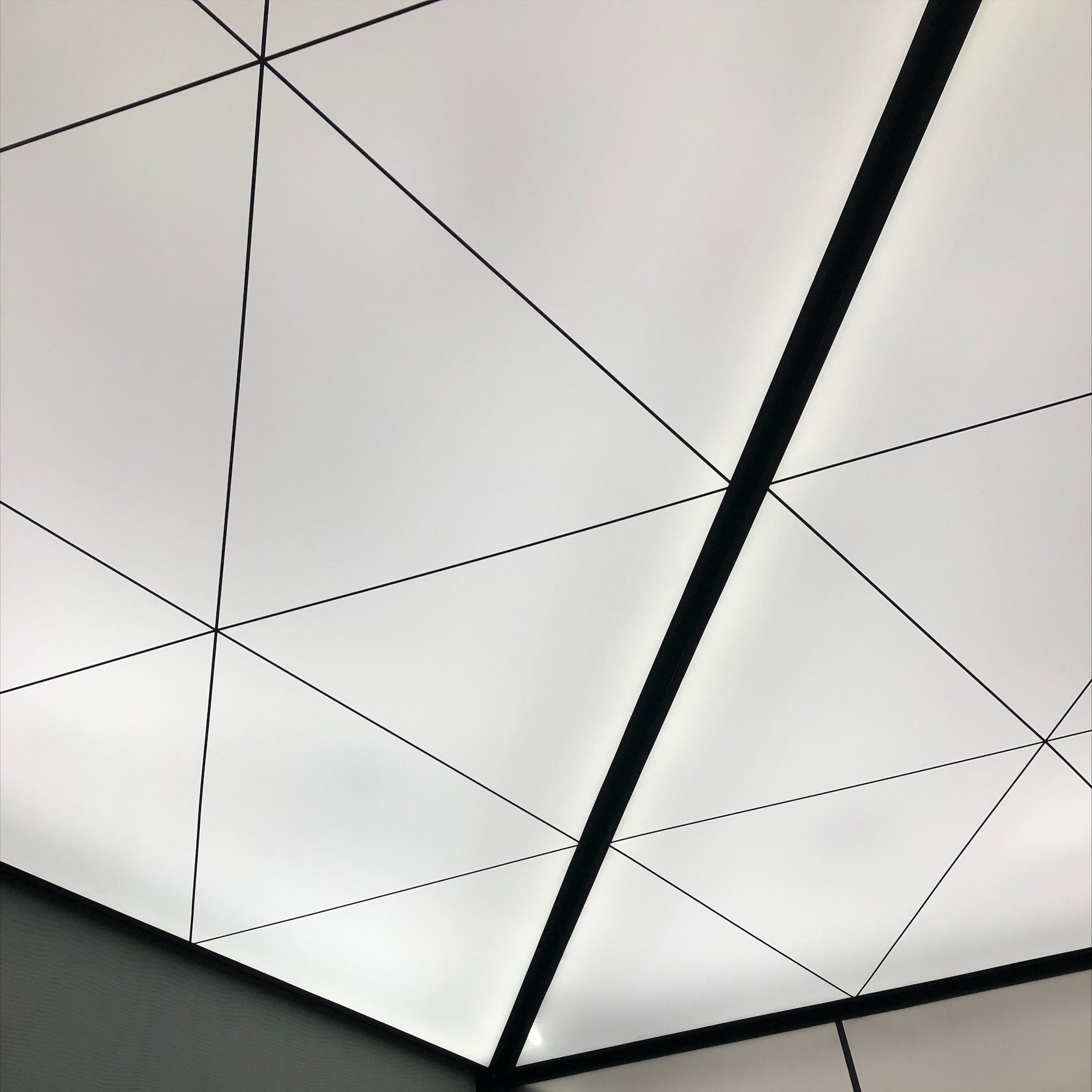
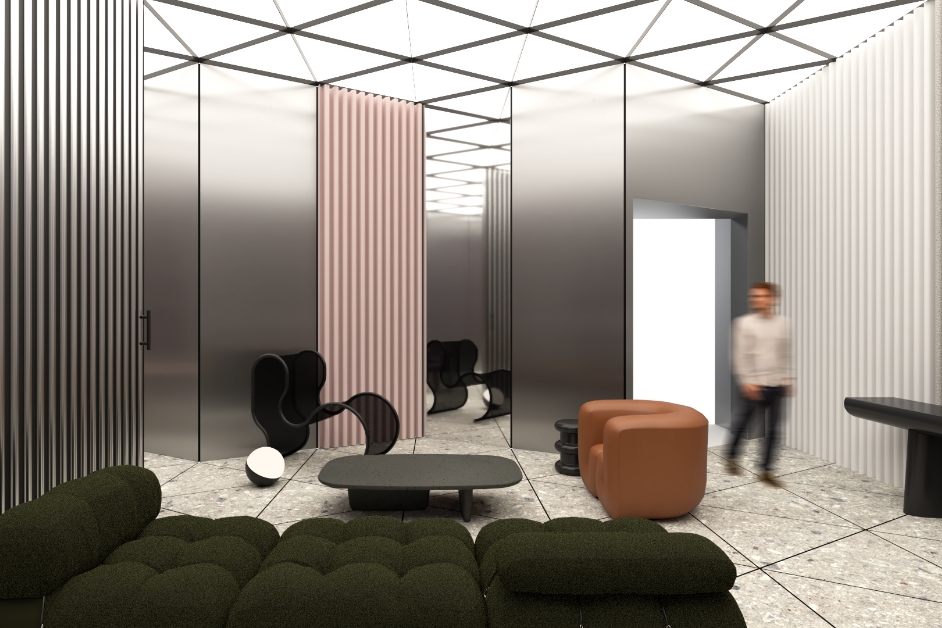
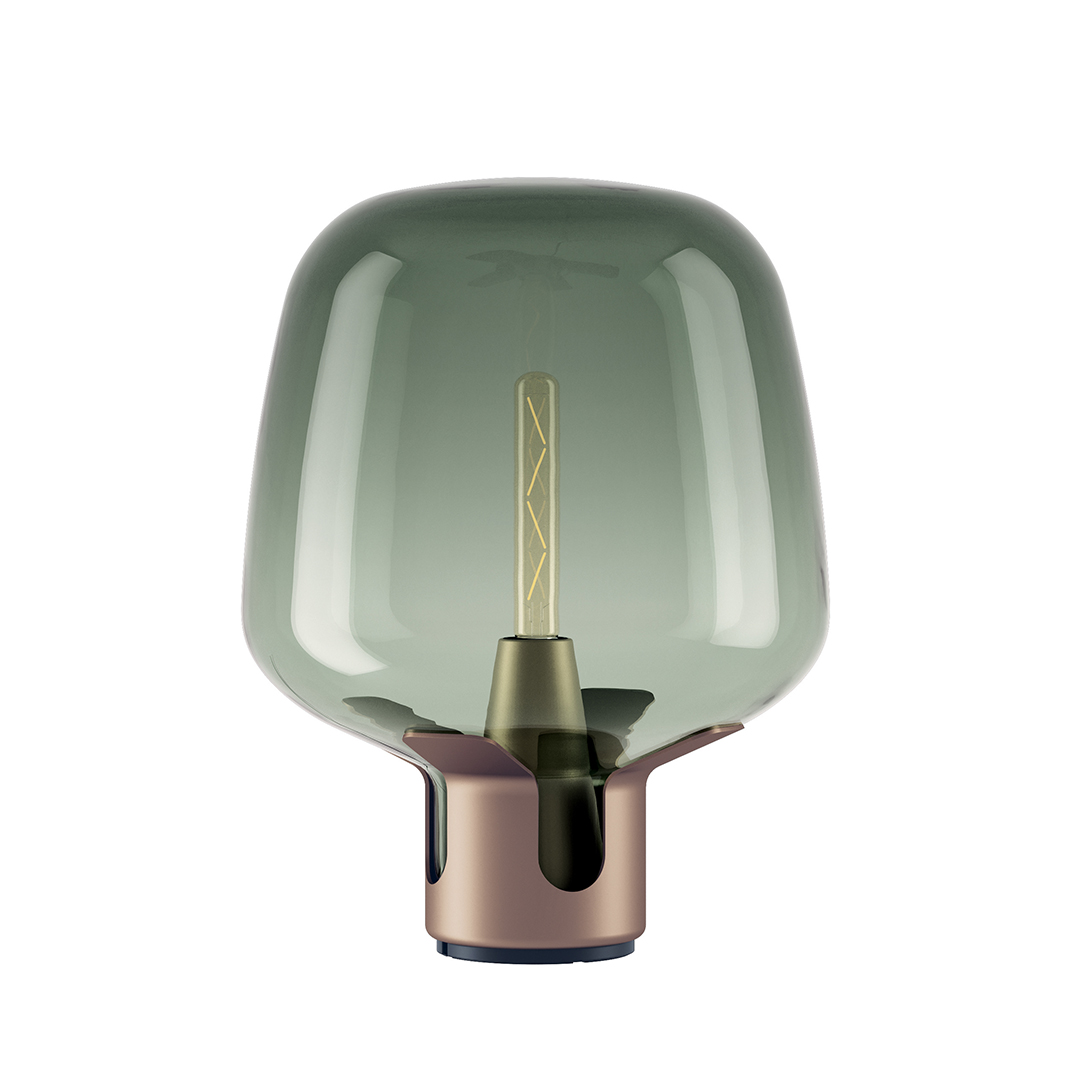
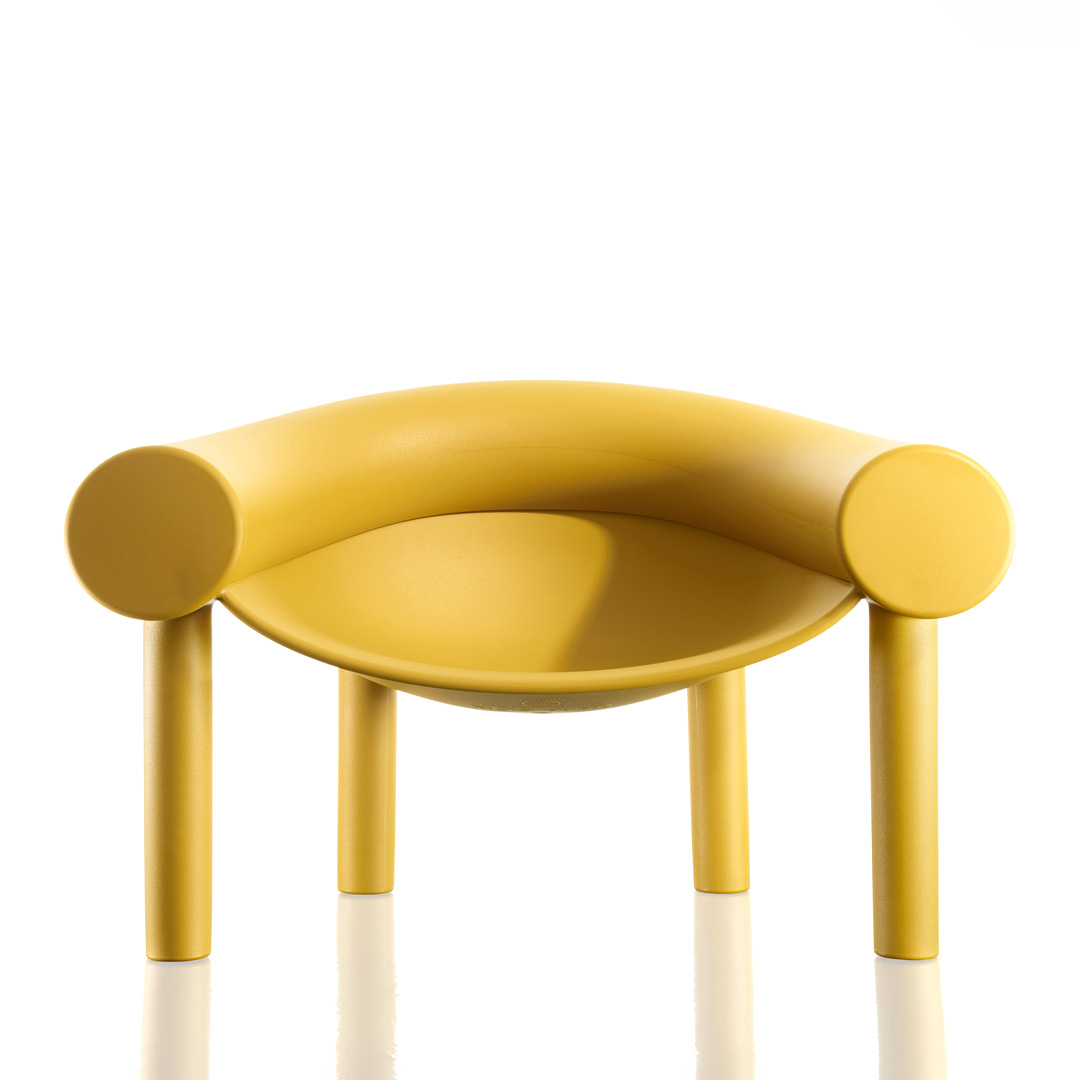
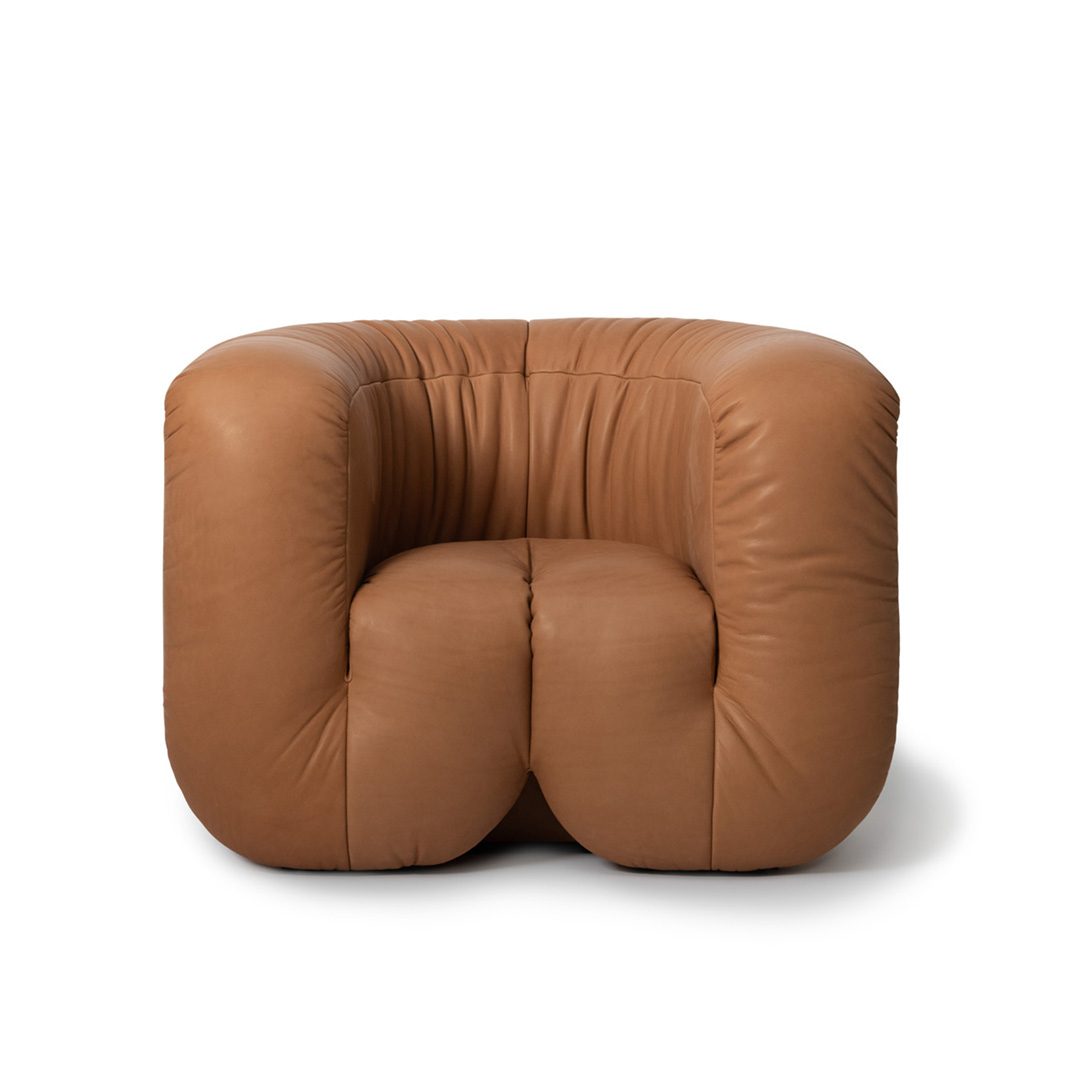
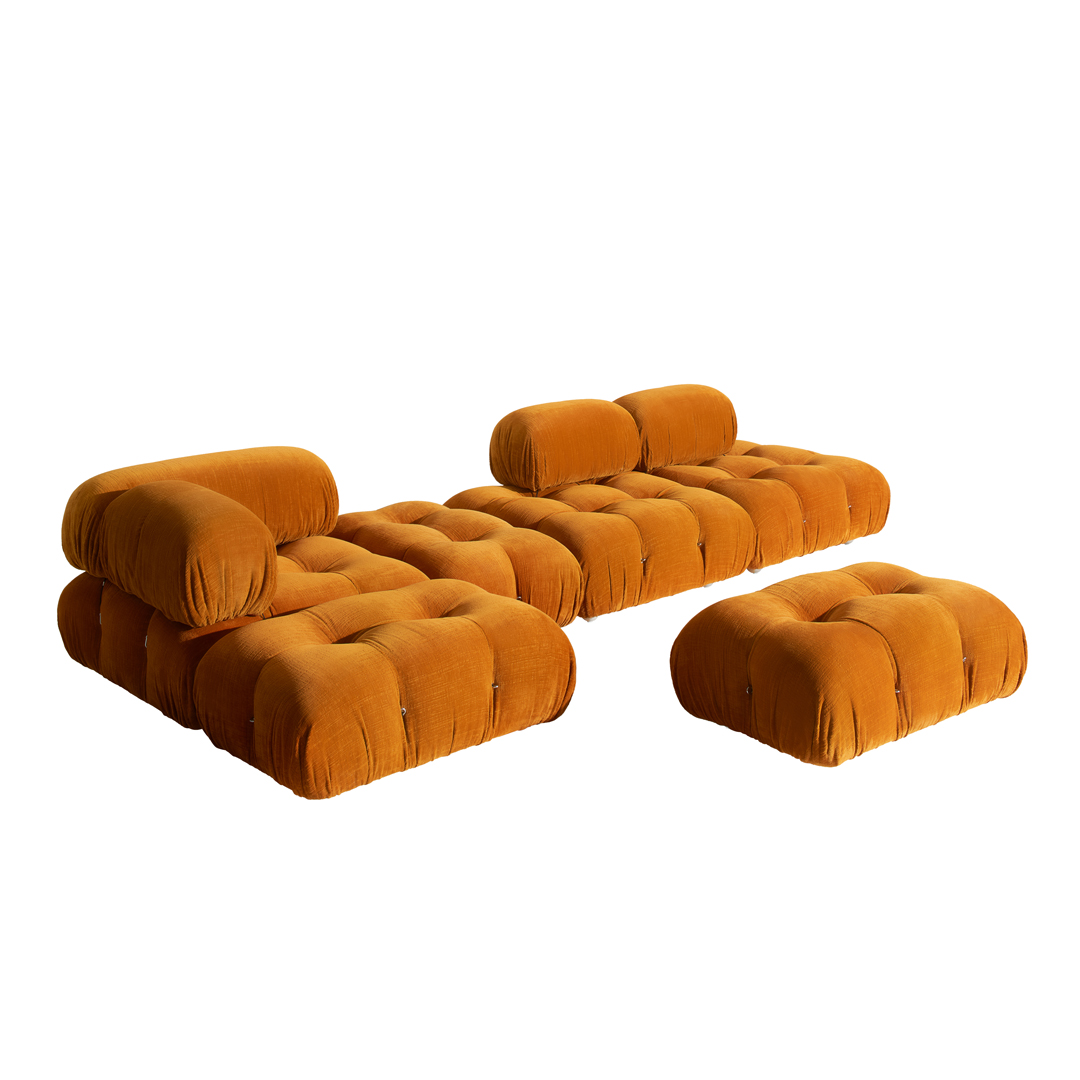
La forma segue la materia o è la materia a seguire la forma? Rispondono ognuno a proprio modo, gli arredi definiti in volumi ampi e avvolgenti. Seducenti, modellano nelle curve e nei pieni la chiarezza del loro disegno e occupano lo spazio con coraggio. La genetica da cartoon detta legge e la tecnologia aiuta a lanciare le sfide del mutamento tipologico e a sovvertire le regole. Come un intero divano riesce a svilupparsi da un solo cuscino, così una poltrona imbottita rende morbide le ispirate linee brutaliste. Invece un enorme salsicciotto a ferro di cavallo definisce schienale e bracciolo di una ampia sedia bassa, ottenuta con due diversi stampaggi rotazionali e combinando una plastica rigida e un polimero più elastico. Un tendaggio da sipario, stampato in poliuretano rigido, suggerisce a un tavolo la voluttà scultorea per il suo basamento. Un largo nastro di elatex delinea un’accogliente chaise longue su una struttura in tubolare metallico rivestita da una guaina di poliuretano espanso. L’effetto di cosa plasmata su un’idea abbozzata a mano libera non cambia se il materiale è fragile, trasparente e diffonde la luce. E nemmeno se irrobustisce le gambe in legno di sedie e consolle mantenendo la giusta grazia. L’elegante morbidezza e il comfort visuale degli arredi si riflette in un ambiente di sentimento opposto. Durissimo, di metallo e ceramica, intervallato da quinte tessili, diffonde un ricercato effetto scenico di rigore e luce. Citazione di una tendenza ancora una volta attuale, accentua il bisogno di una presenza materica negli interni. Le sfumature dei toni del grigio creano una neutralità sempre viva, intercettando e restituendo i bagliori del contesto e di ciò che contiene e spinge l’azzardo degli accostamenti. Le proporzioni dilatate degli arredi sfumano nei riflessi delle pareti e mostrano le loro linee plastiche, naturali e organiche fino a rendere fantastico il mondo reale. Metafora di un luogo che torna a essere di nuovo ospitale.
Does form follow matter or does matter follow form? Each furniture, characterised by large, enveloping volumes, responds in its own way. Seductive, these furnishings clearly define their design and occupy the space boldly with curves and solids. Their cartoon DNA dictates their shapes and technology helps launch the challenge of typological change, to subvert the rules. Just as an entire sofa can develop from a single cushion, so an upholstered armchair softens the Brutalist-inspired lines. Also, an enormous horseshoe-shaped, sausage-like cushion defines the back and armrest of a wide low chair, obtained by two different rotational mouldings and combining a rigid plastic and a more elastic polymer. A rigid polyurethane curtain gives sculptural features to a table base. A wide Latex strip characterises a cosy chaise longue mounted on a tubular metal frame covered with a polyurethane foam coating. The sensation of looking at something modelled on a freehand sketched idea does not change if the material is fragile, transparent and diffuses light. Nor if one strengthens the wooden legs of chairs and consoles while maintaining grace. The elegant softness and visual comfort of the furniture is reflected in an environment with the opposite atmosphere: hard, made of metal and ceramic, punctuated by textile backdrops, it exudes a refined and suggestive feeling of rigour and light. Following a trend that is once again current, it accentuates the need for a material presence in interiors. The shades of grey make these items neutral yet lively, capturing and reflecting the flashes of light of the surrounding environment and what it contains, also prompting bold combinations. The wide proportions of the furnishings fade in the reflections of the walls and show their plastic, natural and organic lines to the point of turning the real world into an imaginary realm. A metaphor for a place that becomes welcoming again.
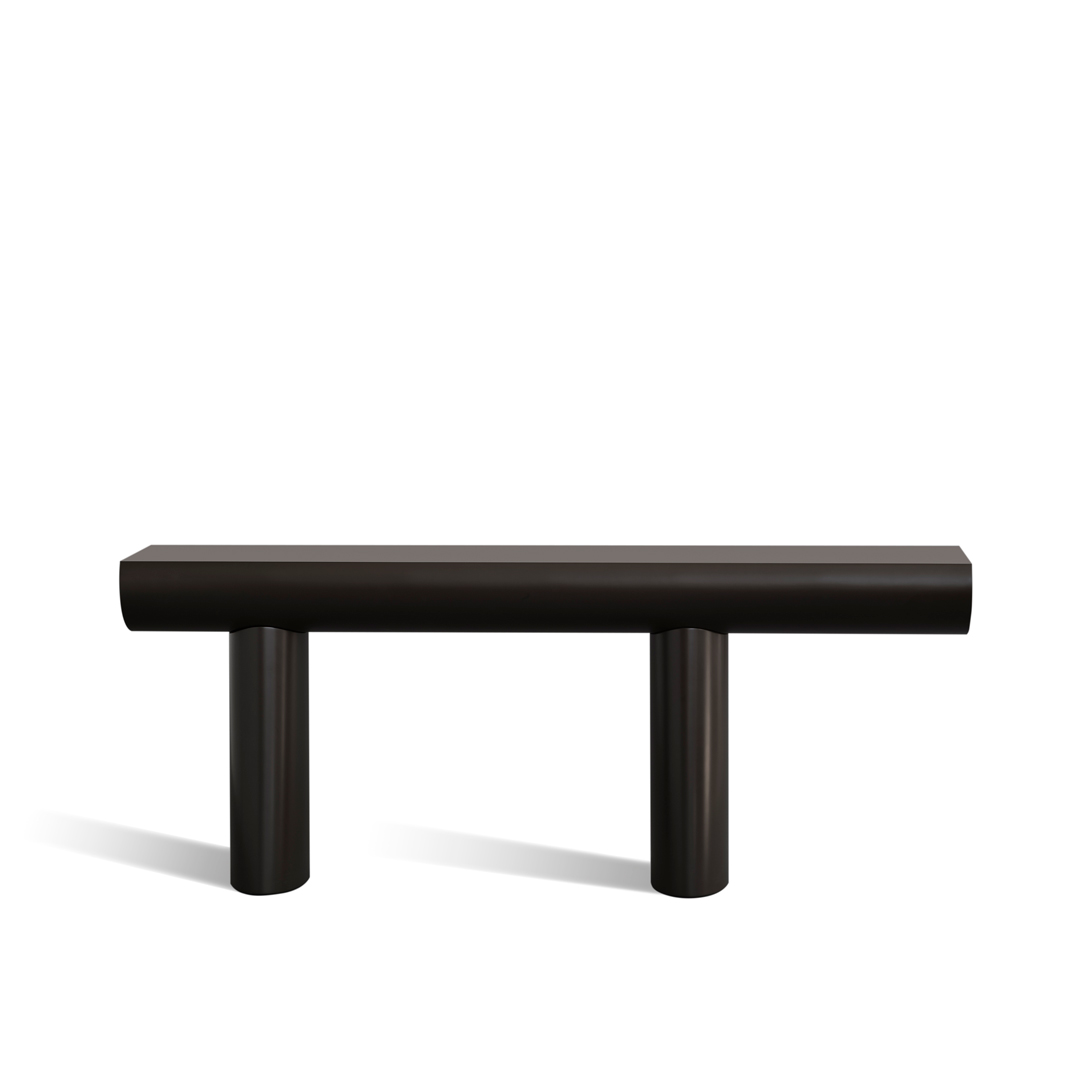
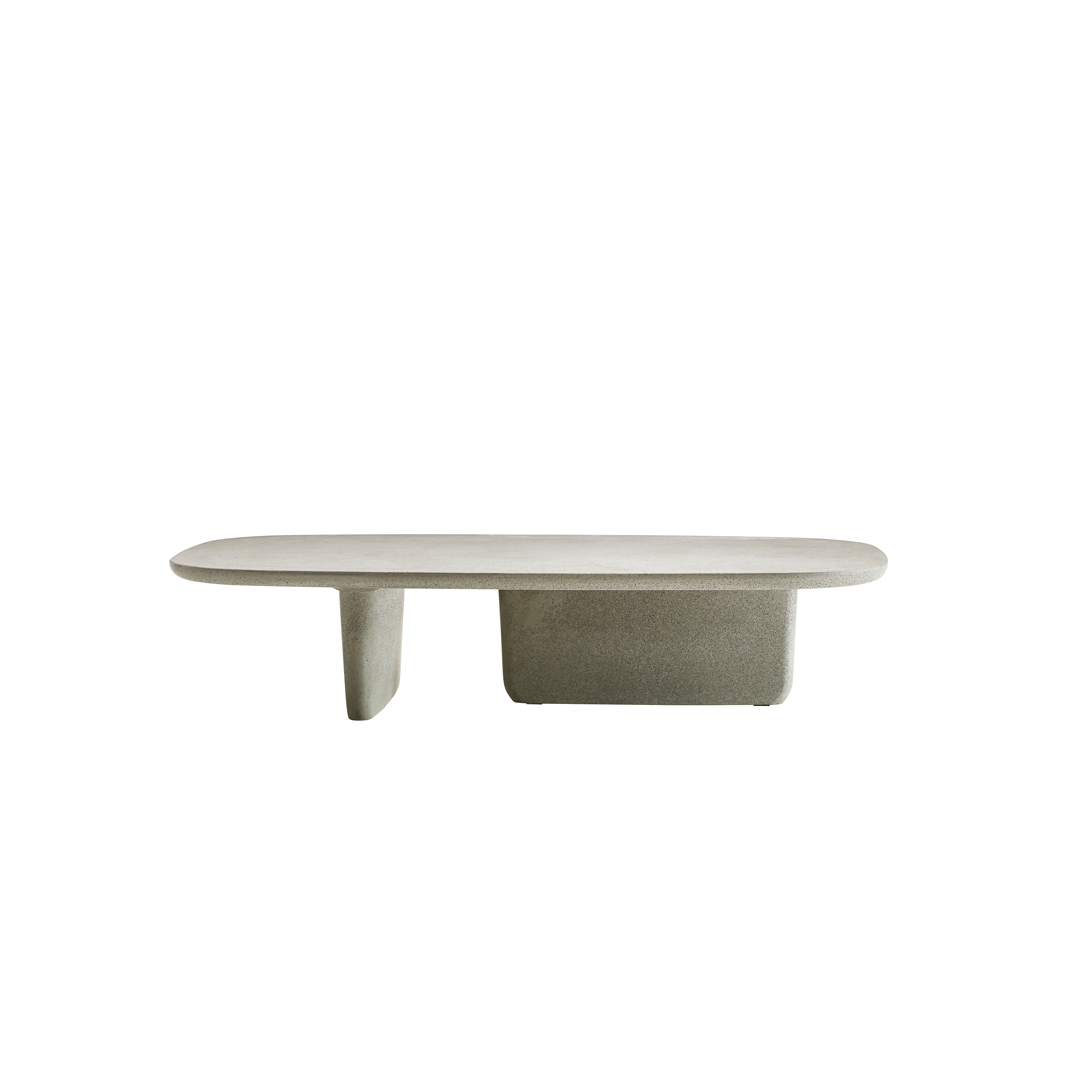
B&B ITALIA
TOBI-ISHI
Small table
Edward Barber & Jay Osgerby
Original project 1970 / re-edition 2020